Unlock New Skills, Dive In—Learning That Actually Sticks
Welcome—glad you found us. At Arudom, we believe learning
should feel like finding a quiet corner in a bustling room, a
place where you can try, stumble, and ask questions that might
seem obvious or out-of-the-blue. We’re here to guide, not just
to instruct, and our approach is all about steady progress,
curiosity, and honest conversation. You’ll notice our courses
don’t just hand you answers; they nudge you to think in new
ways, sometimes in ways you didn’t expect. Isn’t it funny how
the best ideas come when you’re least prepared for them? We’ve
seen that growth is personal—sometimes messy, sometimes
surprising, but always yours. So, whether you’re here to pick
up a new skill or just to see what’s possible, know that
you’ll have support at every step. We mix structure with
flexibility, because everyone’s path looks a bit different. If
you’re ready to dive in, we’re ready to meet you where you
are.
Every stat you’ll see here comes from real students who set out
to strengthen their academic English with Arudom—and actually
did. We’re proud when numbers show rising grades, confident
writing, or even just that “aha” moment in a feedback survey,
but we know every story is different. Curious what progress
actually looks like? Take a look below and see what’s possible
for you, too.
Learning Options and Pricing
When it comes to learning, everyone’s got their own pace and
priorities—some folks want to dive deep, others just want a
taste. That’s why we keep our course pricing transparent and
give you room to choose. I’ve always believed that when you know
exactly what you’re signing up for, it’s easier to focus on the
real goal: learning in a way that fits your life. We’ve shaped
our plans to match different learning paths, whether you’re
exploring a new interest or building serious skills. Curious
about what suits you best? Select the learning experience that
aligns with your aspirations:
Logging into an online academic English course, you’re
greeted by a dashboard—usually a mix of video lessons, reading
passages, discussion boards, and those ever-present deadlines.
Everyone’s scattered across the globe, typing in questions or
chatting about recent assignments in real time or at odd hours
(sometimes with the same energy as a late-night study group).
I remember one Thursday, struggling through a grammar module,
I posted a question about passive voice—within an hour, both
the instructor and a classmate from Brazil chimed in. There’s
a hum of activity: maybe you’re watching a recorded lecture
about argumentative essays, pausing to scribble notes, or
joining a breakout room over Zoom to dissect a sample text.
Assignments aren’t just essays; sometimes you’re asked to
record yourself giving a presentation or respond to
classmates’ posts with actual feedback—awkward at first, but
it gets easier. Progress tracking? It’s everywhere: little
progress bars, checklists, weekly reminders. And feedback
feels different online—detailed comments on your work,
sometimes a quick video from your teacher, and a bit of
anticipation before you dare to open your grade. But the real
magic, at least for me, happens in those unplanned moments: a
classmate’s funny take on a reading, or a teacher sharing a
story about why academic writing matters. Sure, you’re behind
a screen, but if you stick with it, you start to see your
writing change—and maybe, just maybe, you’ll find yourself
thinking in English when you least expect it.
Customer Testimonials
Evan
Such progress in just 6 weeks—my essays got clearer, and I
finally get academic articles without rereading!
Ylva
Totally didn’t expect to use “albeit” in real life—my emails
sound way fancier now (and my mom’s impressed).
Aidyn
Two key insights—less time wasted, more confidence gained. In
my experience, that's what really matters.
Sawyer
Unlocked: 3 months in, I’ve picked up 5 new writing
tricks—thanks to late-night study chats with classmates.
Nikhil
Attained: The confidence to write essays that actually sound
like me—never thought I’d feel proud of my own words!
Luc
Senior Executive
Academic English Skills for Real World Communication and
Success
Arudom
You know that feeling when you walk into a room and
sense—immediately—that you're exactly where you belong? That's
how I felt the first time I sat in on a Arudom class. There’s
just something different in the way these folks approach
teaching academic English. It’s not about ticking boxes or
memorizing grammar rules; it’s about helping people find their
voice, even if English feels like a mountain they’ve been
climbing for years. A lot of their instructors have actually
been through the same journey—struggling with academic writing
or presenting in a new language—and you can tell. They meet
students where they are, quirks and all. What’s interesting is
how Arudom has grown—not in some straight, upward line, but
more like a winding path through unexpected partnerships and
experiments. I remember hearing about their early days,
collaborating quietly with a small university overseas—one
that didn’t have much, but cared deeply about giving their
students a fighting chance in the global academic world. That
partnership turned into a friendship, and before anyone
realized, word had spread. Now, Arudom connects with schools
and organizations in places I’d never even heard of.
Sometimes, it’s a university in Turkey wanting to boost its
faculty’s publishing skills; other times, it’s a group of
researchers in Southeast Asia, hungry to share their work with
the world. And the team at Arudom? They dive in, adapting
their courses to fit, learning as much as they teach. Looking
ahead, there’s this infectious energy about what’s possible.
They’re tinkering with hybrid formats—some online, some
in-person, and always with space for students to share their
own stories. There’s talk of expanding into new disciplines
too, connecting academic English with everything from
engineering to art history. The founders still show up for the
odd class, just for the chance to listen and nudge things
forward. What sticks with me is their belief that language
isn’t just a skill—it’s a bridge. And by building it together,
with a little humility and a lot of laughter, you end up
creating something bigger than any course or curriculum. If
you ask me, that’s what makes Arudom unforgettable.
Company Communication Details
Arudom
We're here to help you find answers—quickly and
clearly—whenever you need support with your learning. If you
have a question or just want to talk through a challenge, our
team is ready to listen and offer guidance that actually makes
sense for you. Sometimes reaching out is the hardest part, but
in my experience, things usually feel more manageable once you
do. No question is too small—really, we’re happy to hear from
you. The contact information below will connect you directly
to someone who genuinely wants to help you move forward.
35-75 Harrington St, Sydney NSW 2000, Australia
+61418671408
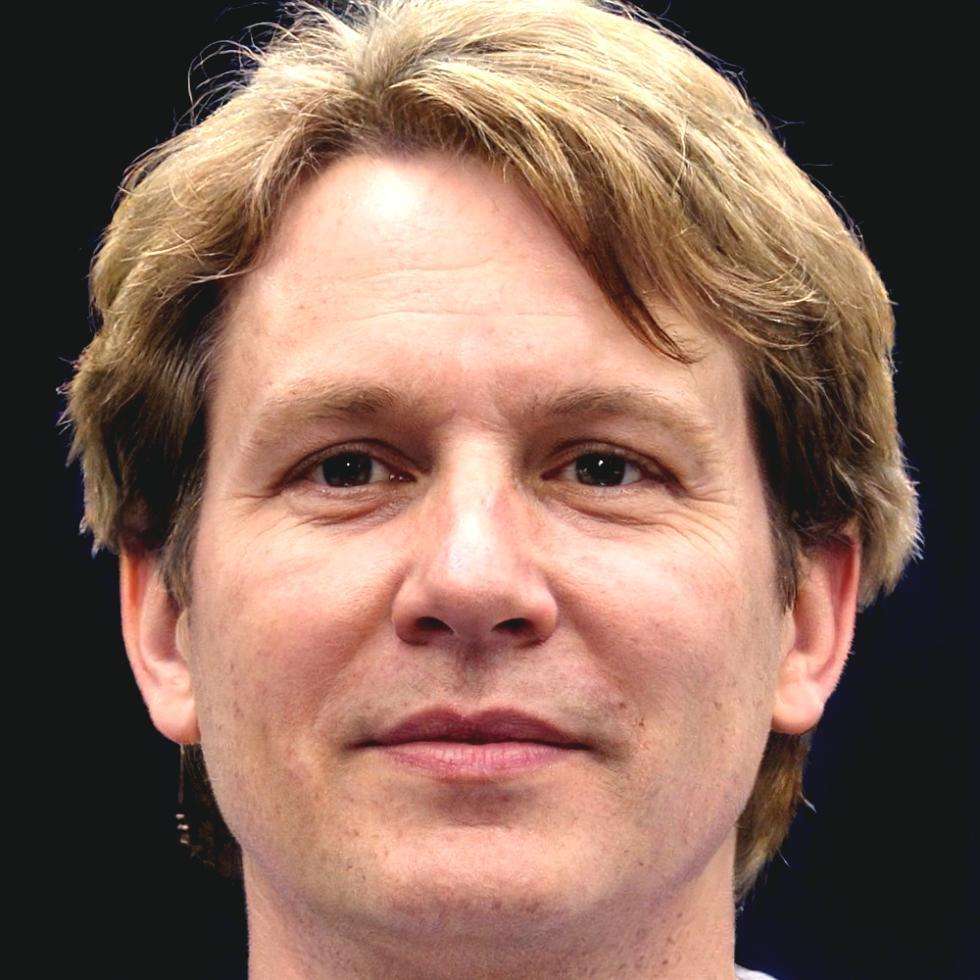
Darius
Teaching Assistant
Darius doesn’t just teach academic English—he dissects it,
sometimes almost gleefully, peeling back layers others might
simply gloss over. His classes rarely begin with a standard
lecture; instead, he’ll toss out a headline or a muddled
corporate memo and ask, “What’s missing here?” Arudom
appreciates how he sidesteps the usual drill-and-kill
exercises. Instead, you’ll find him guiding students through
real grant proposals or peer review feedback, wrestling with
the kind of ambiguity that textbooks tend to avoid. That’s his
thing—he won’t build a lesson until everyone’s poked holes in
the assumptions first. He’s worked with everyone from fresh
grads still shaking off undergraduate habits to mid-career
folks who’ve been told they need to “write like academics” but
aren’t sure what that even means. The room’s always a bit of a
jumble—sticky notes crowding whiteboards, coffee cups
abandoned beside half-open dictionaries. Someone once
mentioned spotting Darius at a downtown café, scribbling notes
on a napkin after a conversation with a doctoral student,
which kind of sums him up. Between classes, he consults for
organizations—think: universities with cross-border teams or
NGOs struggling to untangle grant language. He’ll bring back a
tricky case study, drop it in front of the class, and let
everyone puzzle through it together. People say his classes
change how they learn, not just what they know, but Darius
mostly shrugs off those comments. “It’s all just practice,” he
says, before launching into another round of what-ifs and
why-nots.
Cookies Used on This Site
By looking a the site contemmy fire acknowledging cookies
settle.